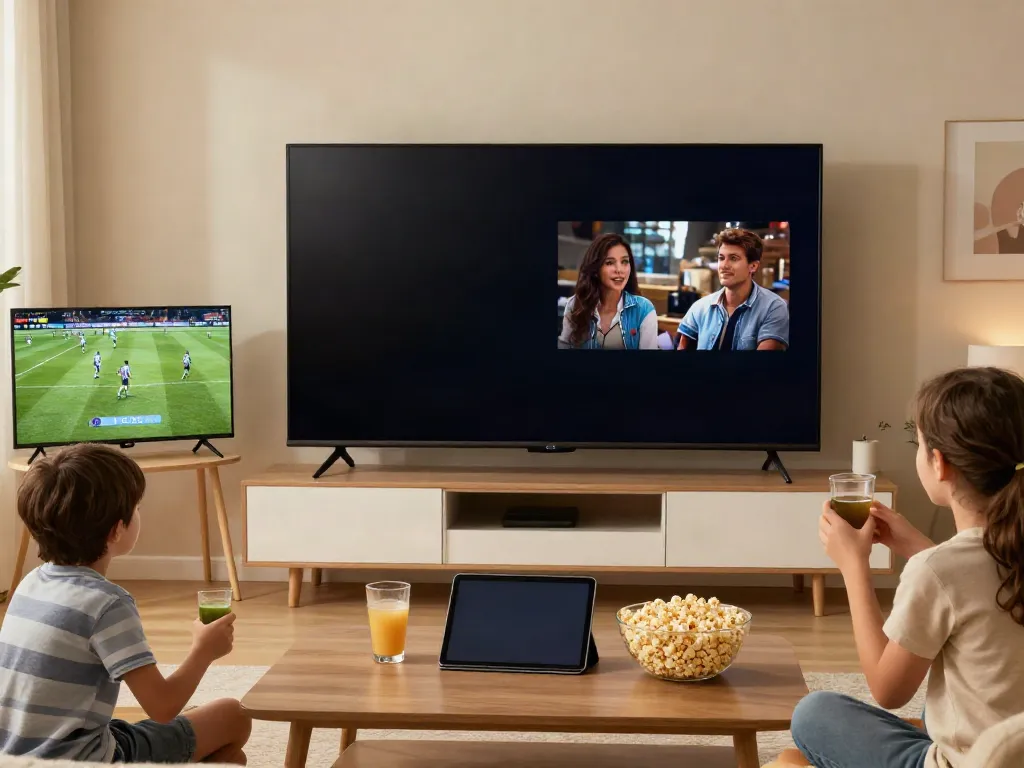
Understanding IPTV and Its Benefits
As the landscape of television evolves, Internet Protocol Television (IPTV) is becoming the go-to solution for modern viewers seeking flexibility and variety. IPTV delivers television content through internet protocols rather than traditional satellite or cable systems, offering a range of benefits that cater to today’s fast-paced lifestyle. Users can enjoy on-demand services, live broadcasting, and a plethora of channels from the comfort of their homes, making it a preferred choice for many in 2026. When exploring options, test iptv provides comprehensive insights into the best services available.
What is IPTV?
IPTV stands for Internet Protocol Television, a technology that allows the delivery of television content over internet networks. Unlike traditional cable or satellite TV, which transmit signals via radio waves or physical cables, IPTV uses internet connections to stream content directly to users. This method enables a more flexible viewing experience, offering both live TV and video on demand (VOD).
The Advantages of Using IPTV
- Flexibility: Viewers can watch content on various devices, including smart TVs, smartphones, tablets, and PCs, providing them with options to suit their preferences.
- Variety: IPTV services often include hundreds of channels, catering to diverse tastes and interests, from sports and news to movies and series.
- Cost-Effectiveness: Many IPTV providers offer competitive pricing compared to traditional cable packages, often with no hidden fees.
- On-Demand Content: Users can watch shows and movies at their convenience, eliminating the need to schedule viewing times around programming.
- Customizable Packages: IPTV services frequently allow customers to choose packages tailored to their specific interests, enhancing user satisfaction.
Differences Between IPTV and Traditional Cable
While both IPTV and traditional cable provide television content, they differ fundamentally in their delivery methods. IPTV streams content over the internet, while cable uses coaxial or fiber-optic cables. This distinction impacts various aspects, such as quality, flexibility, and pricing. For instance, IPTV can provide higher-quality streams, including 4K and HD content, and allows users to watch on multiple devices simultaneously.
How to Conduct a Test IPTV
Testing IPTV services is a crucial step in ensuring that the chosen provider meets your streaming needs. A test IPTV service typically allows users to access content for a limited period, enabling them to evaluate the quality, stability, and reliability of the streams before committing to a subscription. Understanding how to conduct this test effectively can lead to better informed decisions in choosing a provider.
Steps to Set Up a Test IPTV Account
- Research Providers: Start by researching various IPTV providers and their offerings. Look for services that provide trial access to new customers.
- Sign Up for a Trial: Most IPTV providers will have a straightforward sign-up process for a trial period, which typically lasts for 24 hours to a week.
- Configure Your Device: Follow the instructions provided to set up the IPTV service on your device. This usually involves entering necessary credentials or downloading a specific app.
- Test the Service: During the trial period, test the service's performance by watching various content types, including live TV and VOD, to assess stability and quality.
Common Issues and Troubleshooting Tips
During your test, you may encounter common issues such as buffering, lag, or the inability to access specific channels. Here are some troubleshooting tips:
- Check Your Internet Connection: Ensure that your internet speed meets the minimum requirements for streaming IPTV—generally, a minimum of 10 Mbps is recommended for SD quality, while HD and 4K require more.
- Restart Your Device: Sometimes, simply restarting your device can resolve temporary glitches.
- Use Wired Connections: If possible, connect your device directly to your router using an Ethernet cable instead of relying on Wi-Fi.
- Contact Support: If you experience persistent issues, reach out to the IPTV provider's customer support for assistance.
Evaluating Quality During the Test
Pay attention to several key factors while testing the IPTV service:
- Picture Quality: Assess the clarity and resolution of the streams. Look for sharp images and vibrant colors, especially in live broadcasts.
- Buffering and Lag: Note any instances of buffering or lag during critical moments, such as sports events or action scenes in movies.
- Audio Sync: Make sure the audio matches the video. Desynchronization can detract from the viewing experience.
- Content Variety: Evaluate the range of available channels and on-demand content. A diverse catalog indicates a robust service.
Choosing the Right IPTV Subscription Plan
Once you have tested various IPTV services and chosen a provider, it’s time to select the right subscription plan. Many providers offer multiple options based on the length of the subscription and the number of devices that can stream simultaneously.
Comparing Subscription Options
When comparing IPTV subscription plans, consider factors such as:
- Duration: Options typically include monthly, quarterly, or annual plans. Evaluate your viewing habits to determine the most cost-effective option.
- Device Limits: Some plans allow streaming on multiple devices simultaneously, which is crucial for families or shared living situations.
- Included Channels: Check whether the plan includes all the channels you want, especially if you're a sports or movie enthusiast.
Understanding Device Compatibility
Your chosen IPTV service should be compatible with all your devices. Many services work with:
- Smart TVs
- Android and iOS devices
- PCs and Macs
- Set-top boxes like Amazon Fire TV and Roku
Ensure that the IPTV service you select supports the devices you own to avoid compatibility issues.
Analyzing Costs vs. Benefits
While it might be tempting to choose the cheapest plan, remember that quality often comes at a price. Analyzing the cost versus the benefits—such as picture quality, reliability, and customer support—can lead to a more satisfying experience. Look for reviews and testimonials to gauge the value of a service before subscribing.
Maximizing Your IPTV Experience
To get the most out of your IPTV service, consider the following best practices:
Best Practices for Optimal Streaming
- Regularly Test Your Connection: Periodically use speed tests to ensure your internet connection is stable and fast enough for streaming.
- Update Your Devices: Keeping your streaming devices and IPTV applications updated can improve performance and compatibility.
- Use a VPN: Consider using a VPN for added privacy and to access geo-restricted content.
Integrating IPTV with Smart Home Devices
Modern IPTV solutions can be integrated into smart home systems, allowing you to control your viewing experience with voice commands and enhance convenience. For instance, you can use devices like Amazon Alexa or Google Assistant to switch channels or search for shows.
Utilizing IPTV for Live Sports Events
Sporting events are a major draw for IPTV users. To ensure a smooth streaming experience for live sports, make sure you:
- Stream on a wired connection whenever possible to reduce latency.
- Monitor channel reliability on high-traffic days, such as game days for popular teams.
- Take advantage of pause and rewind features to not miss key moments.
Future Trends in IPTV for 2026 and Beyond
As technology evolves, so does the IPTV landscape. Here are some future trends predicting how IPTV will shape viewer experiences in the coming years.
Emerging Technologies in IPTV
Advancements in technology, such as augmented reality (AR) and virtual reality (VR), are expected to revolutionize IPTV by offering immersive viewing experiences. Imagine watching a live sports event as if you were in the stadium, with interactive capabilities allowing you to choose camera angles or player stats in real-time.
Predictions for IPTV Content Availability
In 2026, it is anticipated that IPTV will host an even more extensive range of content, including exclusive shows and movies not found on traditional platforms. Major networks and content providers may shift focus to IPTV as the primary medium for distribution, encouraging more diverse programming.
Impact of 5G on IPTV Streaming
The rollout of 5G technology is set to greatly improve IPTV reliability and quality by providing faster connection speeds and reduced latency. This enhancement will allow users to enjoy higher-quality streams without interruptions and will support more simultaneous connections.
What Are the Legal Implications of IPTV?
As IPTV grows in popularity, legal considerations will become increasingly important. Users must ensure the IPTV services they choose are lawful and adhere to copyright regulations to avoid potential penalties. Staying informed about these legalities is crucial for both users and providers.
How to Stay Safe While Streaming IPTV?
To ensure a secure streaming experience with IPTV, users should:
- Use a strong, unique password for your IPTV accounts.
- Regularly update your devices and applications for security patches.
- Be cautious of free IPTV services, which may not be legal or safe.